
A leasehold flat looks like any other flat from the kitchen. The light is good, the second bedroom takes a double, and the seller mentions the communal garden twice. What you cannot see on a viewing is the lease itself — a long legal document that decides how much this flat will actually cost you, year after year, and whether the next buyer's mortgage lender will touch it.
Most leasehold purchases go through without drama. But the ones that go wrong tend to go wrong in predictable ways, and nearly all of them were sitting in the paperwork before exchange. Here are the twelve red flags worth knowing — what each one means, how bad it really is, and what to do when you find it.
Quick answer: The biggest red flags in a leasehold flat are a lease with fewer than 80–85 years remaining, ground rent that escalates (especially doubling clauses), rising or unexplained service charges, a thin reserve fund, planned major works under a Section 20 consultation, and unresolved cladding or fire safety issues without an acceptable EWS1 form. Also watch for an untraceable freeholder, ongoing disputes, restrictive lease terms with permission fees, and a management pack the seller cannot produce. Most of these can be fixed through negotiation — a price reduction, a deed of variation or a seller-funded lease extension — but only if your solicitor identifies them before exchange.
1. A Lease with Fewer Than 80–85 Years Left

The lease length is the first number to ask for, before you fall for the kitchen. Below roughly 85 years, some mortgage lenders start getting twitchy. Below 80, the cost of extending has historically jumped, because the freeholder became entitled to half of the 'marriage value' — the uplift in the flat's worth that a longer lease creates. The Leasehold and Freehold Reform Act 2024 is set to abolish marriage value, but the relevant provisions had not been brought into force at the time of writing, so a short lease still costs real money to fix and still spooks lenders today.
The trap is that a lease ticks down every single day, and the seller's problem quietly becomes yours the moment you complete. A flat priced attractively because it has 76 years left is not a bargain. It is a bill with a delay on it. Know the number before you decide the asking price is fair.
Do this
2. Ground Rent That Doubles or Tracks RPI

Some leases written in the 2000s and 2010s contain ground rent that doubles every ten, fifteen or twenty-five years. A ground rent of £250 doubling every ten years becomes £4,000 a year within your mortgage term and £16,000 within your lifetime. Lenders have done this maths too, which is why many now refuse to lend against doubling clauses at all. RPI-linked ground rents once looked like the sensible alternative; plenty of lenders now view those with suspicion as well.
Ground rent buys you precisely nothing. It is not a service charge, and it funds no repairs. New leases granted since mid-2022 must charge a peppercorn — effectively zero — so if you find a recent lease still demanding real ground rent, treat that as a sign the paperwork was done carelessly. Money you pay for nothing should at least stay small.
Do this
3. Ground Rent Over £250 a Year Outside London

Here is an oddity of housing law that catches buyers out. If the ground rent exceeds £250 a year — £1,000 in Greater London — the lease can technically be treated as an assured tenancy, which in a worst case gives the freeholder a faster route to possession if the rent goes unpaid. It sounds absurd for someone who has paid hundreds of thousands of pounds for a flat. It is also exactly the sort of technicality that makes a mortgage lender's legal team say no.
The fix is usually a deed of variation or an indemnity policy, and many transactions absorb it without drama. But it needs to be spotted, priced and papered — not discovered by the next buyer's solicitor in five years when you are the one trying to sell.
Do this
4. Service Charges Rising Steeply Year on Year

Ask for three years of service charge accounts, then look at the direction of travel rather than a single figure. A charge that has climbed from £1,800 to £3,200 in three years is telling you something — usually that the building is expensive to run, poorly managed, or quietly catching up on maintenance that should have happened a decade ago. Sharp increases without a clear, documented explanation are one of the most reliable signs of a building in trouble.
Remember that a service charge is neither optional nor fixed. It is whatever it reasonably costs to run the building, divided between the flats, forever. You are not just buying a flat. You are buying a permanent share of a building's running costs, and the accounts are the only honest biography that building has.
Do this
5. An Empty or Threadbare Reserve Fund
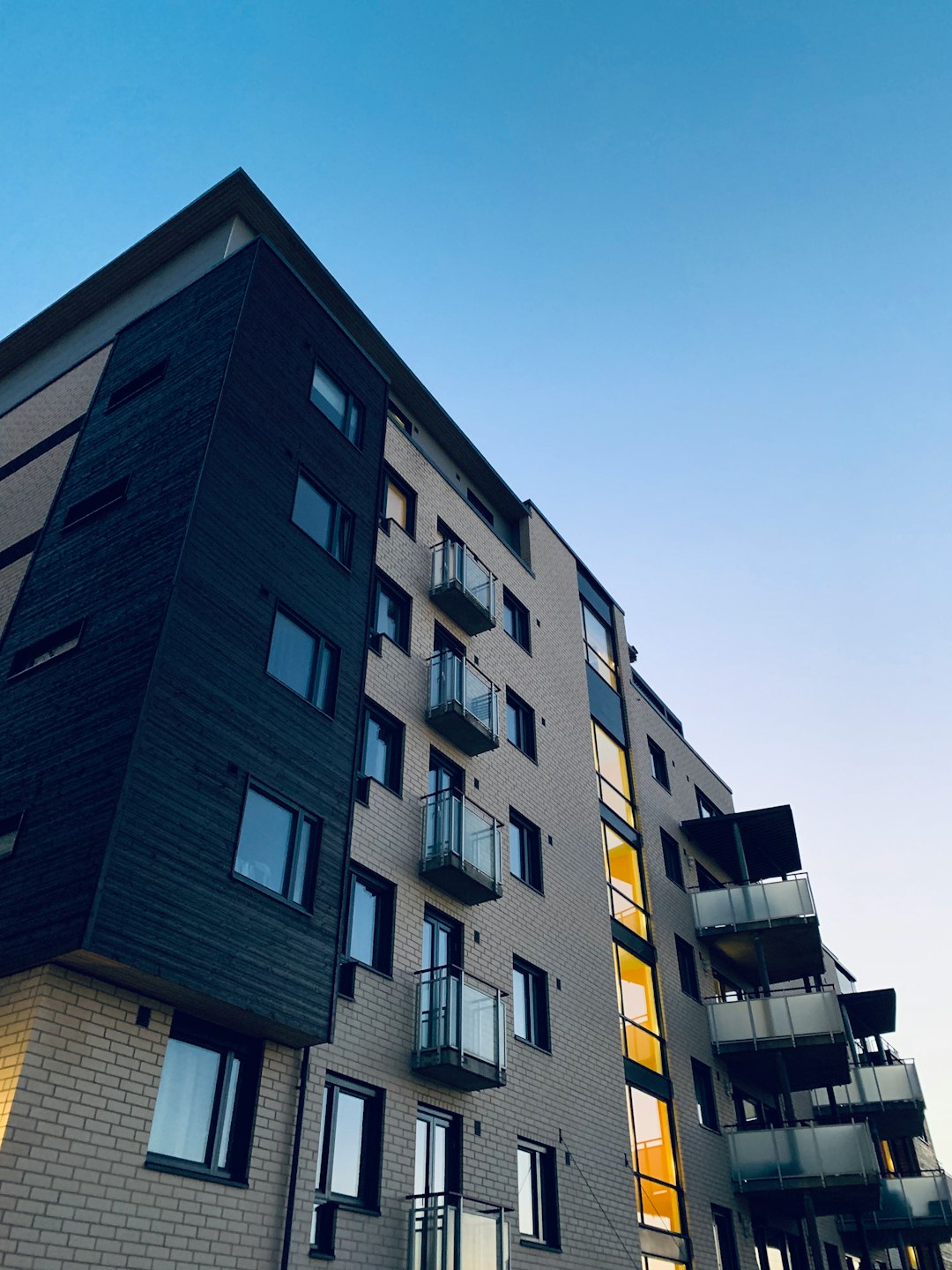
The reserve fund — sometimes called a sinking fund — is the building's savings account for the big jobs: the roof, the lift, the external decoration cycle. A healthy fund means major works get paid for gradually, by everyone who lived there over the years. An empty one means the next big bill lands on whoever owns a flat when the scaffolding goes up. That could be you, in year two, for a roof that was wearing out long before you viewed the place.
A block of twenty flats with £4,000 in reserve is not frugal. It is twenty households one storm away from a four-figure demand each. Buildings age on a schedule that takes no interest in when you happened to complete.
Do this
6. A Section 20 Notice Lurking in the Management Pack
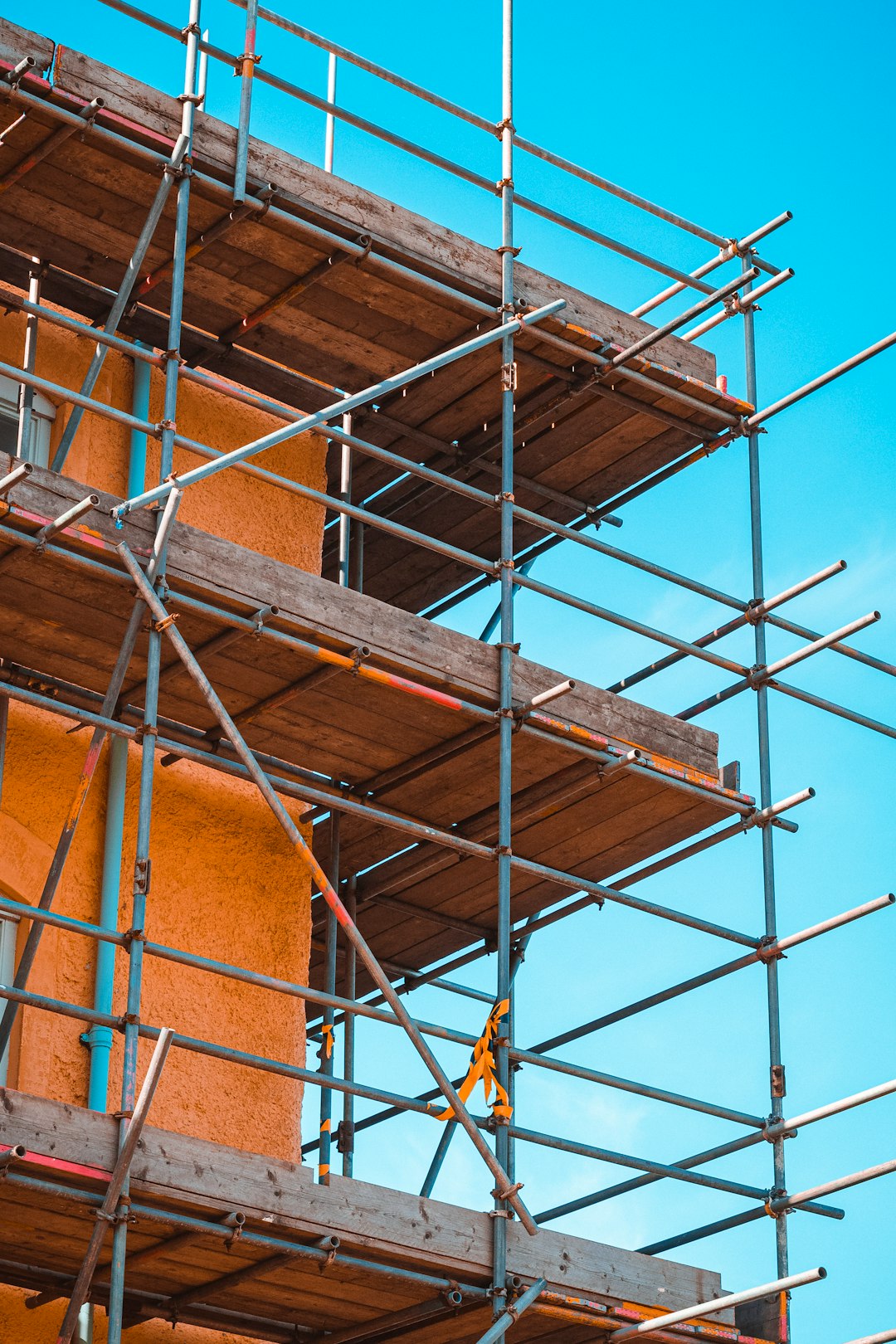
When a freeholder plans major works costing any leaseholder more than £250, they must consult under Section 20 of the Landlord and Tenant Act 1985. A live or recent Section 20 consultation in the management pack means a significant bill is on its way — roof replacement, window renewal, cladding remediation, lift refurbishment. The consultation tells you the works are coming. It does not tell you they will be cheap.
The critical question is who pays: usually the person who owns the flat when the demand is issued, regardless of when the works were first proposed. Sellers know this, which is occasionally why the flat is on the market at all. Timing is not a coincidence as often as you would hope.
Do this
7. Cladding Questions Without Answers

If the building is above 11 metres — roughly five storeys, sometimes fewer — fire safety and external wall construction become central to whether you can get a mortgage at all. Lenders may ask for an EWS1 form: an A1 or A2 rating generally means no remedial work is needed, while a B2 rating means remediation is required and many lenders will decline. The Building Safety Act 2022 gives qualifying leaseholders significant protection from remediation costs, and government deadlines now require funded buildings over 18 metres to be remediated by the end of 2029 and 11–18 metre buildings by the end of 2031. Protection, though, is not the same as convenience.
A building awaiting remediation can mean years of uncertainty, waking watch costs, higher insurance and a flat that is hard to sell in the meantime. The seller who says the cladding situation is 'all being sorted' should be able to show you exactly how, by whom, and by when. If they cannot, that vagueness is the red flag.
Do this
8. A Freeholder You Cannot Find

Somebody owns the building your flat sits inside, and one day you will need them — to consent to alterations, to sign off a lease extension, to fix the roof, or simply to answer a letter. An absent freeholder, or one hiding behind an offshore company with no working contact details, turns every routine task into a small legal expedition. Buyers' solicitors treat difficulty identifying the freeholder as a warning sign, and they are right to.
There are legal routes around a missing landlord, including applying to the tribunal for a lease extension without them. But 'there is a legal route' is the property equivalent of 'the mountain is technically climbable'. Better to know the terrain before you set off.
Do this
9. Disputes, Arrears and Angry Neighbours in the Paperwork
The management pack must disclose ongoing disputes — between leaseholders and the freeholder, over service charges, over noise, over who is liable for the water coming through the third-floor ceiling. A building where several leaseholders are withholding service charges, or where a tribunal case is running, is a building where the money and the goodwill have both run out. Both are expensive to replace.
One historic squabble is normal; buildings contain people. A pattern of disputes, high arrears and a churn of managing agents is different — it tells you the building does not function as a community that can make decisions. You will feel that in every future repair, and eventually in your resale value.
Do this
10. Permission Fees for Everything

Some leases require the freeholder's consent — with a fee attached — for things you assumed came free with ownership. Replacing a carpet with wooden floors. Keeping a cat. Subletting the flat. Even registering your own mortgage. Each consent can carry an 'administration fee' of anywhere from £50 to several hundred pounds, and some freeholders treat these fees as a revenue stream rather than an occasional formality.
None of these clauses is illegal, and some restrictions genuinely protect the building. But a lease bristling with chargeable permissions tells you how the freeholder sees you: not as a resident, but as a subscription. Read the lease as a description of your future relationship, because that is exactly what it is.
Do this
11. A Management Pack That Never Arrives

The management pack — service charge accounts, insurance, reserve fund, major works, disputes — is the single most informative document in a leasehold purchase, and the seller has to buy it from the managing agent, typically for £200 to £500. Agents can take weeks to produce it. A pack that drags on for month after month is sometimes just a slow agent. Sometimes it is a seller who has not paid for it, or an agent so dysfunctional that this delay is your first taste of what living there is like.
Treat the speed and quality of the pack as evidence in itself. The managing agent who takes eleven weeks to answer a paid request is the same one who will handle your leak next winter. You are not just buying the flat. You are buying the people who run the building.
Do this
12. Building Insurance That Costs a Small Fortune

Buildings insurance for a block is arranged by the freeholder and recharged to leaseholders through the service charge, which means you pay the premium but have no say in the policy. Premiums have risen sharply in recent years, particularly for buildings with fire safety issues, and some freeholders have historically taken commissions on the insurance they place, inflating the cost. Regulators have been tightening the rules on those commissions, but the numbers in the accounts still deserve a hard look.
A startling insurance line in the service charge accounts is worth interrogating rather than accepting. It might reflect a genuine risk in the building — which you want to know about. Or it might reflect a freeholder helping themselves — which you also want to know about. Either answer changes what the flat is worth to you.
Do this
13. A Seller in a Suspicious Hurry

None of the eleven flags above exists in isolation, and the twelfth is the pattern that connects them: a seller who wants speed more than they want questions answered. Pressure to exchange before the management pack lands. A 'motivated vendor' discount on a flat with 78 years on the lease. An agent who says the ground rent is 'nothing to worry about' without knowing what it is. Individually these are small things. Together, they are someone trying to hand you a problem before you notice its shape.
Be suspicious of urgency and generous with time. Every one of these red flags is survivable if you find it early — renegotiated, varied, retained against, or simply walked away from. The buyers who get burned are almost never the ones who asked too many questions. Slow is not a failure of nerve. Slow is the strategy.
Do this
This guide is for general information only. It is not legal, financial, mortgage, insurance or removals advice. Always check important arrangements with the relevant professional or provider.