
A property listing is an advert. It was written by someone whose job is to sell the house, checked by someone whose commission depends on selling the house, and photographed on the one sunny day last June when the garden looked its best. None of this makes agents dishonest. It makes them salespeople, and it makes the listing a document you should read the way you would read a used car advert — slowly, and with particular attention to what is missing.
Most buyers scan the photos, check the price and book a viewing. That is exactly the behaviour listings are designed to produce. This guide covers thirteen warning signs that hide in plain sight — in the phrasing, the photography, and the quiet gaps — so you can spot the problem property before you have taken an afternoon off work to visit it.
Quick answer: The biggest red flags in a UK property listing are missing photos of key rooms, 'cash buyers only' (often code for unmortgageable), no mention of lease length on a leasehold flat, a property that keeps coming back on the market, vague euphemisms like 'in need of modernisation', sale by modern method of auction, and a price noticeably below similar homes on the same street. Read the floorplan dimensions rather than trusting wide-angle photos, check the listing history on the portal, and treat anything the listing carefully avoids saying as a question to ask the agent directly before viewing.
1. No Photos of a Key Room

Count the photos, then count the rooms. A three-bedroom house with eleven shots of the garden and none of the bathroom is telling you something. Agents photograph what sells. If the kitchen appears only as a sliver in the corner of a dining room shot, or the third bedroom exists solely on the floorplan, the missing room is almost certainly the reason.
It might be avocado-suite ugly, which is fixable. It might be a bedroom that fits a bed only if the bed is inflatable. You cannot know from the listing — but you can know the omission was deliberate. Photographers do not forget rooms. They are asked to leave them out.
Do this
2. Photos That Do Not Match the Floorplan

Wide-angle lenses are standard kit for property photographers, and they can make a boxroom look like a ballroom. The photos are marketing. The floorplan is closer to evidence. A 'generous double bedroom' that measures 2.4 metres by 2.9 metres on the plan is not generous, is not really a double, and no amount of clever lighting changes that.
There is a second trick worth knowing: old photos. If the garden is in full summer bloom and you are viewing in January, the pictures may be left over from a previous marketing attempt — sometimes years earlier. The house in the photos and the house you visit are not always the same house. Measurements do not lie. Lenses do.
Do this
3. 'In Need of Modernisation' and Its Cousins
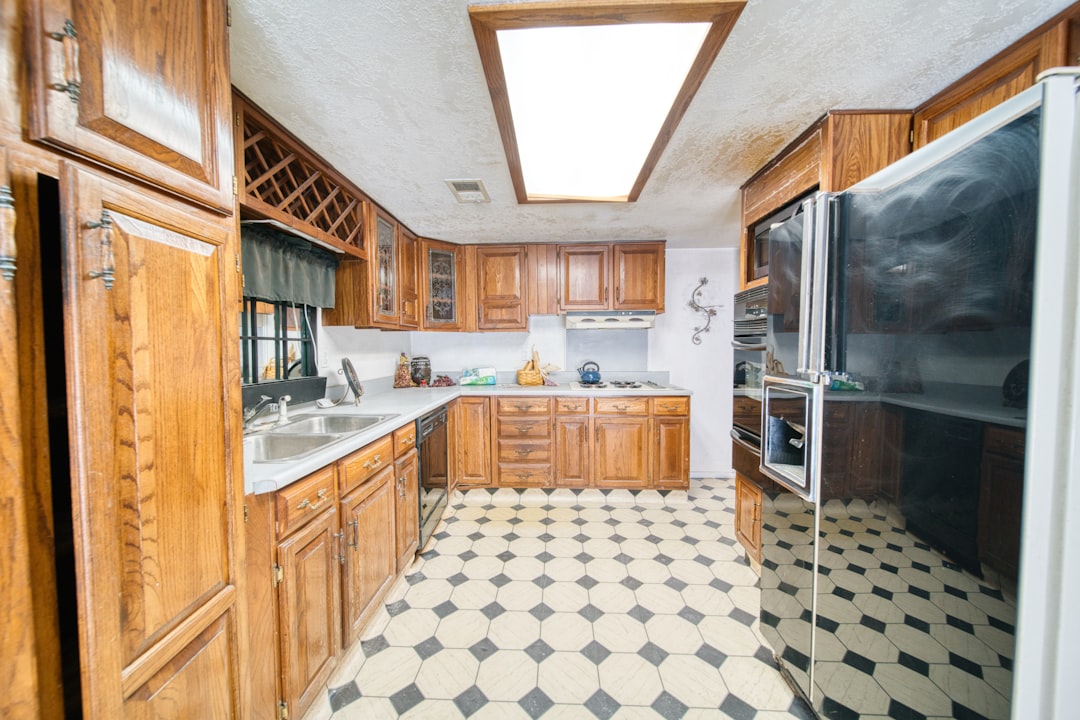
Estate agent language is a dialect, and it rewards translation. 'In need of modernisation' means the house has not been touched since the seventies and you should budget accordingly. 'Scope to extend, subject to planning' means the current layout does not work. 'Cosy' means small. 'Characterful' can mean original features, or it can mean the floors slope and the windows rattle. 'Would suit a buyer with vision' means bring a builder to the viewing, not a partner.
None of these phrases is a lie, exactly. They are optimism deployed at industrial scale. The trick is not to avoid these properties — a genuine doer-upper can be excellent value — but to price the words properly. A full renovation of a three-bed house routinely runs into tens of thousands of pounds. If the listing hints at work, assume the hint is understated.
Do this
4. 'Cash Buyers Only'
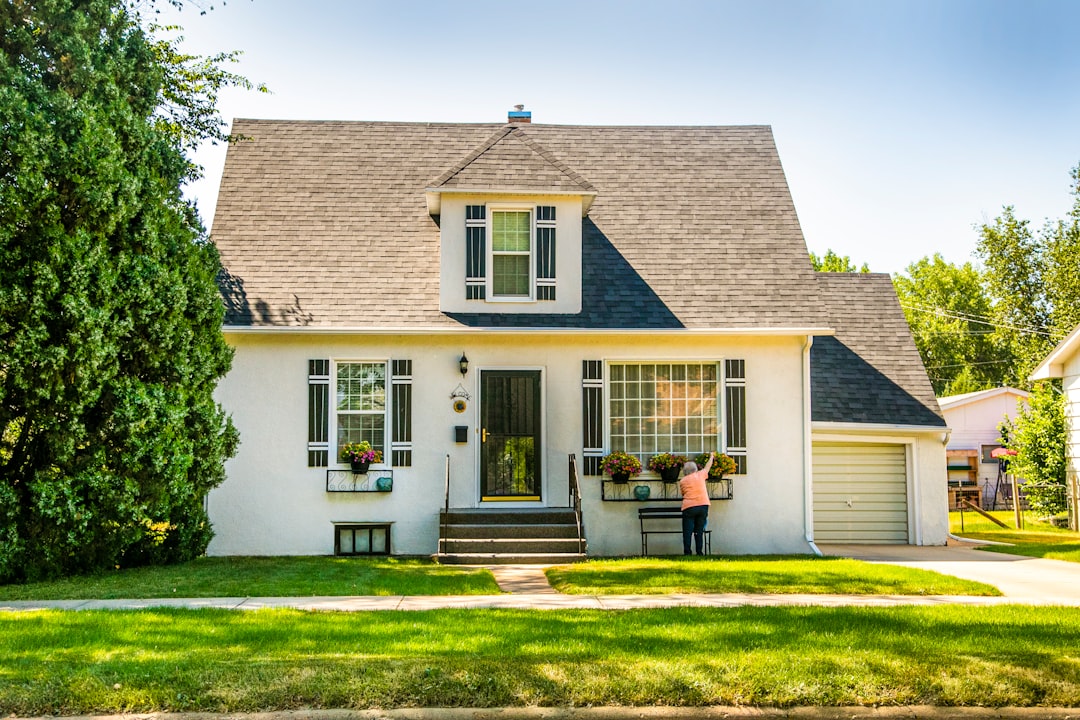
This phrase is doing a lot of work, and most of it is warning you off. Occasionally it means the seller simply wants speed and certainty. Far more often it means no lender will touch the property — because of structural movement, non-standard construction, serious damp, a lease too short to mortgage, or something else a valuer has already refused. Put plainly: a professional risk assessor looked at this property and said no.
If you are a first-time buyer with a mortgage, these listings are not for you, and there is no point falling in love with one. If you do happen to have cash, the phrase should make you more careful, not less — the usual lender safety net is exactly what is missing. A bargain that no bank will finance is often a bargain for a reason.
Do this
5. A Leasehold Flat With No Lease Length Mentioned
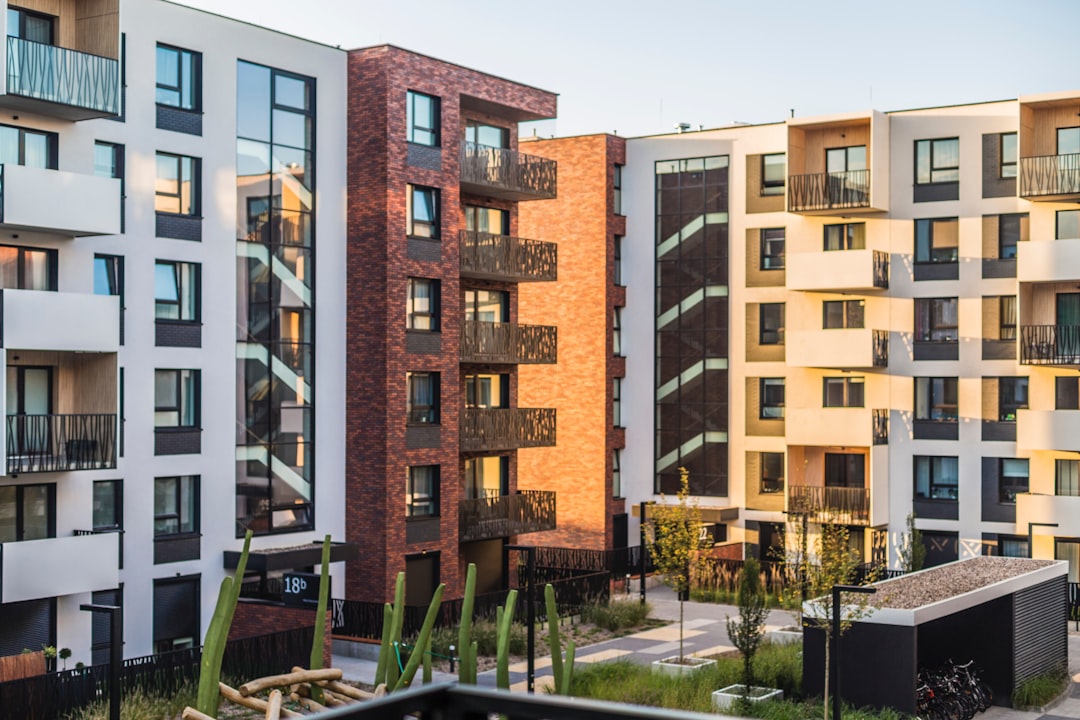
If a flat is leasehold and the listing does not state the years remaining on the lease, treat that silence as the loudest thing on the page. Lease length is the single biggest factor in a flat's value and mortgageability. Below roughly 80 years, extending gets significantly more expensive because the freeholder becomes entitled to a share of the uplift in value — a cost that can run from several thousand pounds to £30,000 or more in London. Many lenders get nervous below 80 years and refuse outright below 70.
Agents know all this, which is why healthy leases — 125 years, 999 years — tend to be printed proudly near the top. The same logic applies to ground rent and service charges: if they were reasonable, the listing would probably say so. Silence on a leasehold listing is rarely accidental. It is usually a number someone would rather you asked about later.
Do this
6. 'No Onward Chain' Without an Obvious Reason
No onward chain is genuinely useful — it can shave weeks off a purchase and removes one link that can collapse. But it is worth asking why there is no chain. Sometimes the answer is cheerful: a landlord selling up, a new-build, someone emigrating. Sometimes it is a probate sale, a repossession, or a house that has already failed to sell while its owners moved on without it.
None of these is automatically a problem. A probate sale can be a fair deal for everyone. But probate properties are often long unmodernised and can move slowly if the grant of probate has not yet been issued, and a house the owners abandoned to sell empty has usually sat through a winter or two unheated. The phrase is a fact about the transaction, not a virtue of the house. Know which one you are buying.
Do this
7. Back on the Market — Again

Sales fall through all the time, often for reasons that have nothing to do with the house: a buyer's mortgage collapsed, a chain broke somewhere above, someone got cold feet. Once is unremarkable. Twice starts to look like a pattern. A property that has gone under offer and returned to the market repeatedly has, in all likelihood, been surveyed repeatedly — and something in those surveys keeps sending buyers away.
The portals make some of this visible if you know where to look. Rightmove shows price reductions and listing dates, and its own rules mean a property relisted within 14 weeks keeps its original listing date rather than appearing new. Free tools and browser extensions can surface the full price history. The house's past is a matter of record. Read it before you write your offer.
Do this
8. No Floorplan at All

Floorplans are cheap to produce and buyers overwhelmingly want them — which is why almost every serious listing has one. When a listing does not, ask yourself what the plan would reveal. Usually it is one of the classics: a 'third bedroom' accessed through the second, a bathroom downstairs off the kitchen, or a layout so awkward the agent decided the photos told a better story alone.
A missing floorplan also makes it impossible to sanity-check the photography, which may be the point. You are left with wide-angle images and adjectives, which is precisely the information diet a weak layout prefers. A house with a good layout shows it off. A house without one goes quiet.
Do this
9. An EPC Rating Buried at the Bottom

Every listing must include the property's Energy Performance Certificate rating, from A down to G. Most buyers never scroll far enough to find it. An F or G rating means the house is expensive to heat now and may need serious spending later — insulation, windows, possibly a new heating system. If you ever plan to let the property, the current legal minimum for rentals is E, and government proposals have repeatedly pointed towards a C requirement for tenancies in the coming years.
Lenders are paying attention too. A growing number factor energy efficiency into affordability assessments, and some offer better rates on efficient homes. The EPC also comes with a recommendations report listing suggested improvements and their estimated costs — a free, government-mandated preview of your future to-do list. It is one of the few genuinely candid documents in the whole process. Read it.
Do this
10. 'Modern Method of Auction'

Some listings look ordinary until you reach a small paragraph mentioning sale by 'modern method of auction' or 'conditional auction', usually with a 'reservation fee'. Read that paragraph twice. The reservation fee is typically several thousand pounds — often around 4 to 5 per cent of the price with a minimum of £5,000 or so — paid by you, on top of the purchase price, and usually non-refundable even if your mortgage falls through or your survey uncovers a horror.
The timescales are tight too: commonly 28 days to exchange and 56 to complete, which is brisk for a mortgaged first-time buyer. None of this makes the property bad, but it changes the deal fundamentally, and the listing format is designed to look as normal as possible. If you have not read the auction pack and priced the fee into your budget, you have not really seen the price.
Do this
11. The Garden You Never Properly See

Exterior photos deserve the same suspicion as interior ones. A garden shown only from an upstairs window, or cropped so you never see the far end, may be hiding a shared access path, a railway embankment, an electricity pylon — or vegetation the seller would rather not discuss. Japanese knotweed is the famous one: lenders can refuse to lend where it is present or close to the boundary, and professional eradication typically costs between £950 and £4,000 and takes years, with a warranty required.
Flat roofs on extensions, missing pointing, sagging gutters and next door's jungle are all visible on a viewing but rarely in the brochure. Google Street View will show you the house on an ordinary day, sometimes across several years — an unglamorous time machine that has saved many buyers a wasted trip.
Do this
12. A Price Noticeably Below the Street
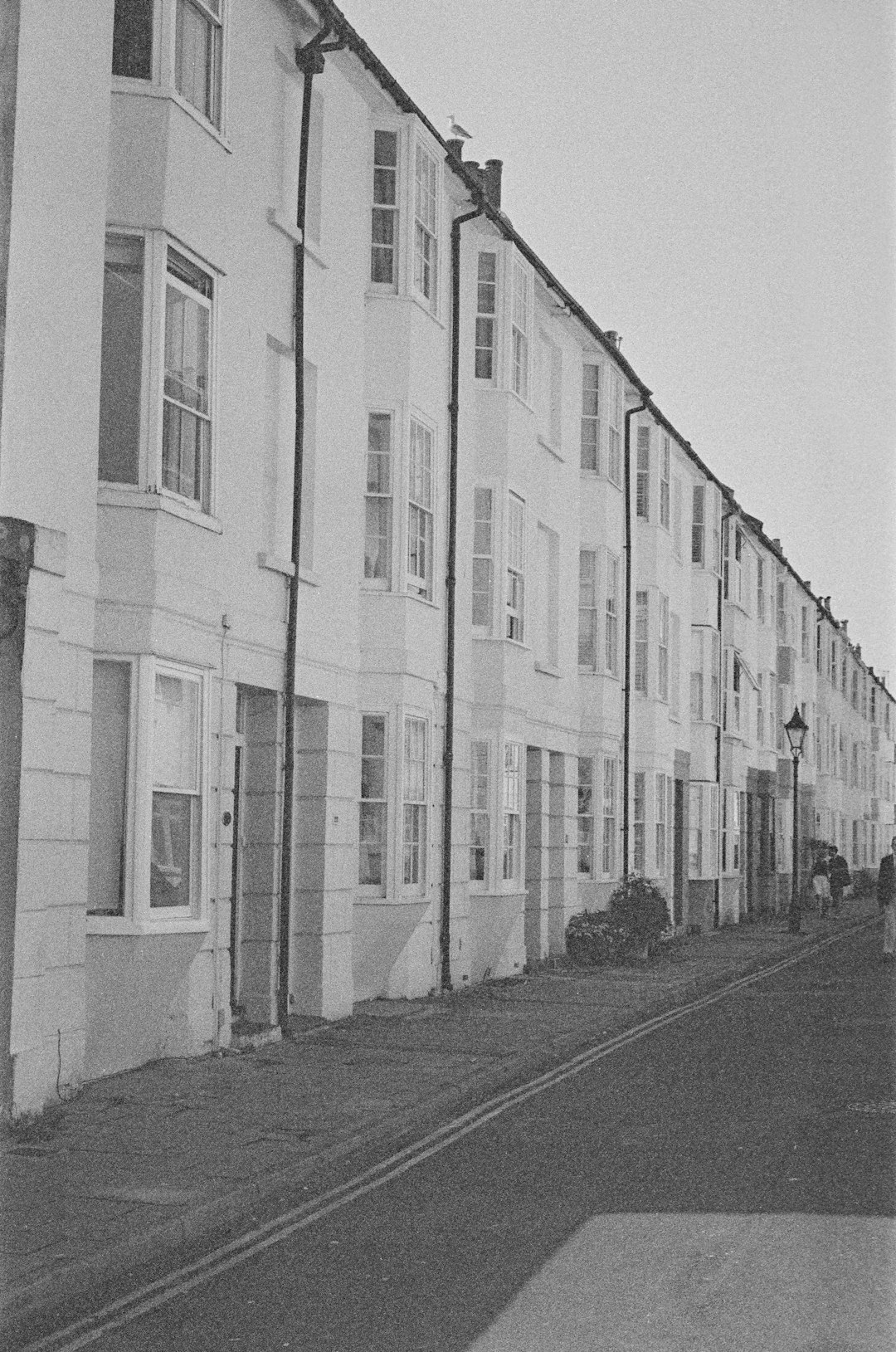
When a house is 15 or 20 per cent cheaper than near-identical neighbours, the market is not being generous. It is telling you something the listing is not. The usual culprits: a short lease, subsidence history, a flying freehold, cladding issues on flats, a restrictive covenant, a motorway you cannot hear in the photos, or simply a seller who needs a very fast sale — which itself is worth understanding.
Sold prices are public. The Land Registry records what every property on the street actually fetched, and the portals surface this data for free. Ten minutes of comparison turns 'ooh, a bargain' into a specific question: why is this one cheaper? Sometimes the answer is boring and the deal is real. But cheap houses are like cheap flights — the price usually reappears somewhere else.
Do this
13. Location Language That Avoids the Location

'Convenient for transport links' can mean a two-minute walk to the station, or it can mean the trains run past the bottom of the garden. 'Vibrant area' often means noisy. 'Up and coming' means not there yet. And notice when the exterior photo is taken at a tight angle that never shows the street itself — the takeaway next door, the pub car park opposite, the busy road whose noise does not photograph.
The listing controls the frame; you do not have to accept it. Visit the street without an appointment, at a different time of day from your viewing — a Friday evening tells you things a Tuesday morning cannot. The house is fixed. The street is forever. Buy the street as deliberately as you buy the house.
Do this
This guide is for general information only. It is not legal, financial, mortgage, insurance or removals advice. Always check important arrangements with the relevant professional or provider.