
The main property portals — Rightmove, Zoopla, OnTheMarket — are not on this list. They are useful, but they are not meaningfully AI-first. This guide focuses on tools where AI is either the core product or a central part of the workflow.
Quick answer: the strongest AI-focused tools for moving home are Jitty, HomeThink, Mappa, AI Property Searcher, Homesearch, HomeHapp, ChatGPT, Perplexity, Claude and Conveyd.
Use them to search smarter, analyse listings, research areas, summarise documents, create checklists and ask sharper questions. Do not use them as replacements for a solicitor, surveyor, mortgage adviser or your own judgement.
How we chose these tools
We removed mainstream property portals and focused on tools where AI is either the core product or a central part of the workflow.
The selection prioritises practical use during a UK home move: finding homes, comparing areas, spotting risks, understanding documents, planning the transaction and reducing admin friction.
1. Jitty — Best AI-first home search assistant

Stage: Early discovery
Jitty is one of the clearest AI-native property search tools in the UK. It is built around the way buyers actually describe what they want, not rigid portal filters: AI-powered search, commute-based discovery, advanced filters and price transparency.
That makes it useful when you want to search like a human: "a light two-bed within 40 minutes of work, not a basement flat, with storage, near useful shops but not on a noisy road."
Use it for
- Search by commute rather than postcode
- Filter out unsuitable homes before you waste a Saturday
- Discover alternative areas you had not considered
- Search by style, layout and lifestyle needs
Watch out for
- Coverage can vary by location
- Use alongside other sources so you do not miss listings
Useful prompt
Show me two-bedroom homes that feel light and characterful, avoid basement flats, have decent storage, and are within 40 minutes of my work by public transport.
2. HomeThink — Best for AI listing red flags

Stage: Before viewing or before offering
HomeThink is built for the moment when a listing looks promising but your instincts are not enough. Paste a property URL and receive AI-supported red and green flags, valuation context, risk checks and neighbourhood intelligence.
This is useful before you spend your Saturday politely admiring a property while silently wondering whether the damp-looking corner is a shadow, a lifestyle choice or a future invoice.
Use it for
- Pre-viewing preparation
- Spotting possible listing risks before committing time
- Generating questions to ask the agent
- Checking valuation, flood risk, broadband, council tax and area signals
Watch out for
- AI cannot inspect a property physically — use a surveyor for real condition advice
- Listing photos can hide as much as they reveal
Useful prompt
Analyse this listing and give me 10 questions to ask the agent, split into condition, price, legal, leasehold and area risks.
3. Mappa — Best AI property assistant for neighbourhood fit
Stage: Choosing where to live
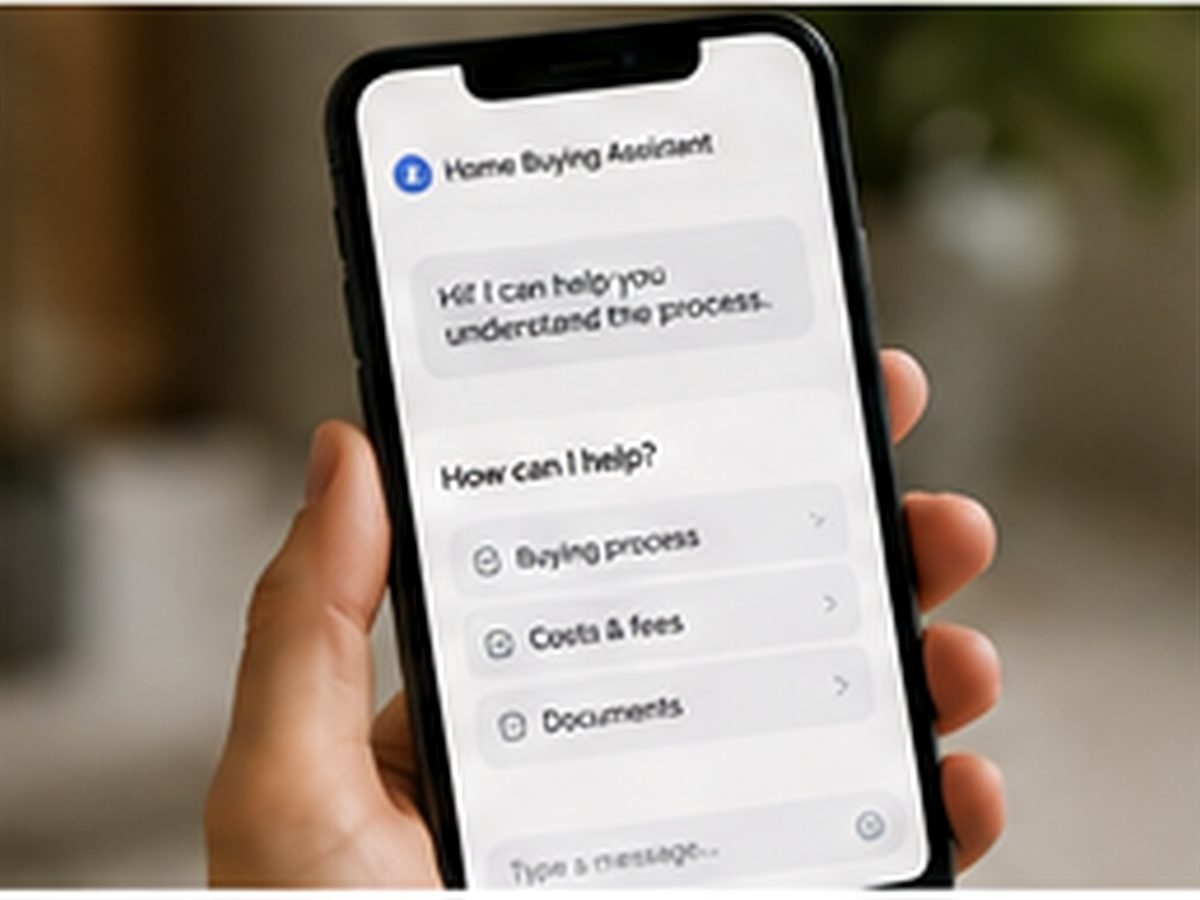
Mappa positions itself as an AI property assistant for discovering ideal neighbourhoods and personalised home recommendations. This is useful because many property mistakes are actually area mistakes.
A house can look right online and feel wrong in real life. The commute may be irritating, the street busier than expected, the shops less useful than they appeared on a map. Mappa is for narrowing the geography before you narrow the property.
Use it for
- Neighbourhood discovery and shortlisting
- Lifestyle matching
- Understanding commute, schools and local amenities
Watch out for
- Visit the area yourself at different times of day
- Check official local sources before relying on any area claim
Useful prompt
Compare these three areas for commute, schools, transport, safety, local amenities, weekend feel and resale risk.
4. AI Property Searcher — Best for personalised listing alerts

Stage: Ongoing active search
AI Property Searcher says it analyses hundreds of listings daily and sends personalised summaries to help buyers find suitable homes faster: AI analysis across images and text, fast property alerts, advanced filtering and notifications by email, SMS or Telegram.
The value is not just finding listings. It is filtering them against your personal criteria quickly enough to act — which matters in a competitive market where good properties can go in days.
Use it for
- Daily or hourly property summaries tailored to your criteria
- Fast alerts on new listings
- Reducing portal fatigue
Watch out for
- Check which property sources are covered
- Make sure alerts do not push you into rushing weak decisions
Useful prompt
Monitor my criteria and summarise only the properties that are genuinely worth viewing, with reasons, risks and questions to ask.
5. Homesearch — Best for AI-readable property listings

Stage: Search, agents and future AI discovery
Homesearch describes itself as home search built for AI agents. Its live UK listings are structured for AI discovery and sourced directly from estate agents.
This matters because the next phase of property search may not simply be people scrolling portals. It may be AI agents helping buyers retrieve, compare and shortlist homes using clean, structured and attributable data. Homesearch is building for that model.
Use it for
- AI-structured property search
- Direct agent links and verified contact details
- Reducing the layers between you and the listing
Watch out for
- Check listing freshness and availability
- Still speak to the agent and verify details directly
Useful prompt
Find listings that match these requirements and return the agent contact route, missing details and questions I should ask before viewing.
6. HomeHapp — Best for AI-picked property opportunities

Stage: Opportunity spotting
HomeHapp describes itself as a property intelligence platform that finds hidden opportunities: live price drops, new listings and AI-picked opportunities. That makes it more of an intelligence layer than a normal search box.
This is useful if you are actively watching a market and want to know what has changed, not just what is currently on page one of a portal.
Use it for
- Price-drop monitoring
- New listing alerts
- AI-picked opportunities
- Tracking a competitive market in real time
Watch out for
- Coverage may be stronger in selected markets
- A bargain still needs proper due diligence
Useful prompt
Find the best new opportunities this week and explain why each one is interesting, overpriced, risky or worth viewing.
7. ChatGPT — Best all-round planning assistant

Stage: Every stage
ChatGPT is not a property professional, but it is extremely useful as a home-moving thinking partner. It can turn jargon into plain English, create viewing questions, draft chaser emails, compare options, summarise a survey and help you decide what to ask your solicitor next.
The trick is context. A vague prompt gets a vague answer. A clear prompt with property type, location, budget, stage, concerns and relevant documents gets something much more useful.
Use it for
- Explaining legal and mortgage jargon in plain English
- Drafting emails to agents and solicitors
- Creating viewing checklists
- Summarising survey and solicitor updates
Watch out for
- Verify legal, survey and mortgage points with professionals
- Do not upload sensitive documents unless you understand the platform's privacy settings
Useful prompt
I am a first-time buyer in England. My offer has been accepted on a leasehold flat. Create a seven-day action plan with what to ask the estate agent, solicitor, lender and surveyor.
8. Perplexity — Best for cited research
Stage: Area, market and source-based research
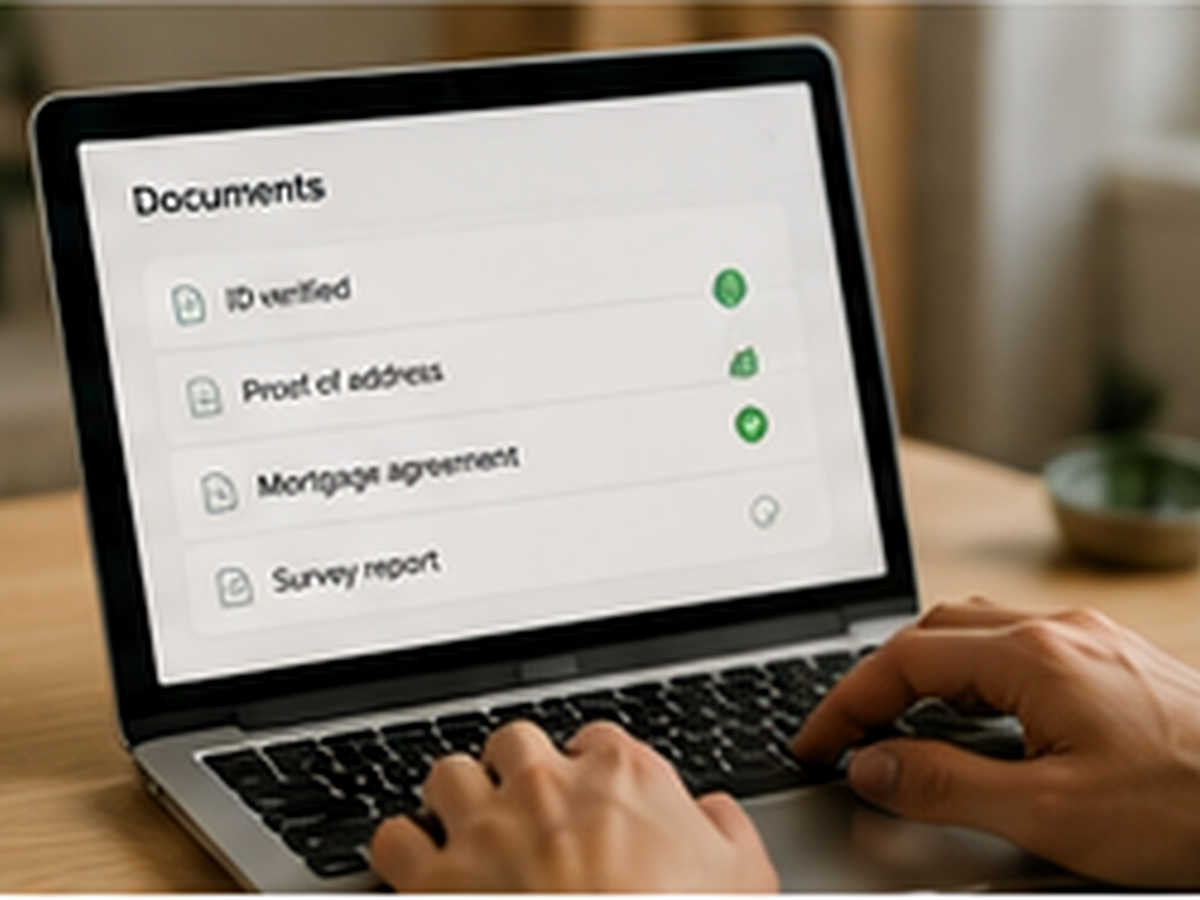
Perplexity is useful when you need research with visible sources. That matters for home moves because area research can be full of vague claims, old forum posts and optimistic marketing copy.
Use it for questions where the source matters: local transport changes, planning proposals, council information, flood risk, schools, broadband, market commentary and buyer guides.
Use it for
- Area research with attributable sources
- Checking public-source claims
- Finding official government guidance
- Comparing local information across verified sources
Watch out for
- Still open the sources and read them — do not rely solely on the summary
- Recent local information can change quickly
Useful prompt
Research this postcode for transport, planning, schools, crime, flood risk and local amenities. Prioritise official or reputable sources and give me links.
9. Claude — Best for long documents and calm summaries
Stage: Survey, lease and email-chain review
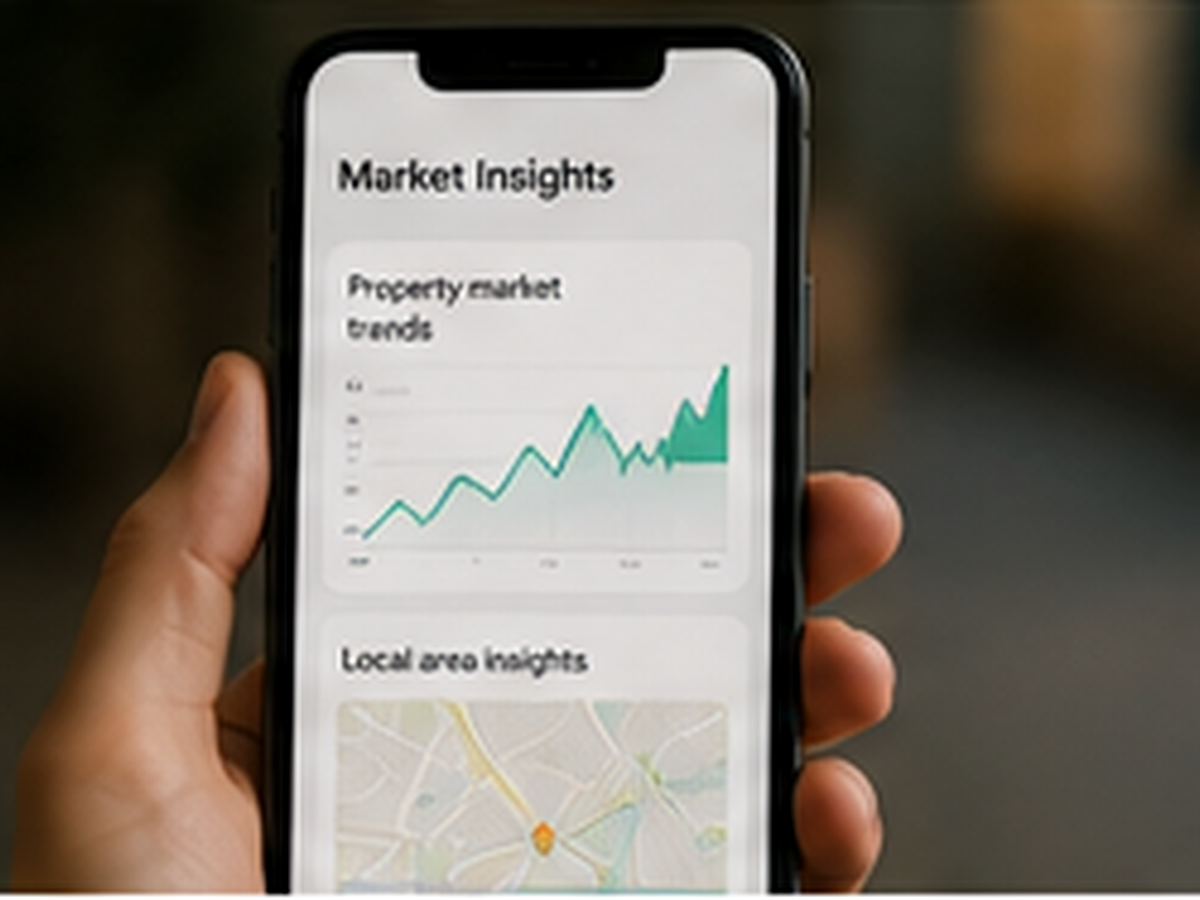
Claude is particularly useful when you have a lot of text to understand: survey extracts, lease clauses, long solicitor email chains, management-pack notes or a messy stack of moving tasks.
Used properly, it can separate the urgent from the merely annoying. Which is useful, because many first-time buyers discover that property documents are written in a dialect best described as professional anxiety with numbered paragraphs.
Use it for
- Summarising long documents in plain English
- Creating issue lists from survey reports
- Preparing questions for professionals
- Organising complex solicitor updates
Watch out for
- A summary is not legal advice
- Always compare the summary with the original document
Useful prompt
Summarise this survey in plain English. Separate urgent safety issues, likely negotiation points, normal maintenance and questions for the surveyor.
10. Conveyd — Best emerging AI-backed conveyancing option

Stage: After offer accepted
Conveyd positions itself as digital conveyancing without the chaos — a faster, clearer online way to buy, sell or remortgage. Its profile describes AI-powered, lawyer-led conveyancing with one regulated legal team handling the law.
This is the direction conveyancing needs to move in: clearer onboarding, fewer repeated forms, better visibility and more predictable progress. The legal work still matters, so the question is not just "is it digital?" but "who is responsible when it gets complicated?"
Use it for
- Digital conveyancing with better visibility into progress
- Clearer onboarding and fewer repeated forms
- Online transaction tracking
- Buy, sell or remortgage workflows
Watch out for
- Check regulatory status and who handles the legal work
- Ask how complex issues are escalated
- Compare fees and service expectations before instructing
Useful prompt
Before instructing a conveyancer, create a checklist of questions about responsiveness, reporting, fees, leasehold experience, mortgage-lender panel status and escalation process.
Also worth watching
Farringdon and Keith are early examples of AI-first or AI-native conveyancing models beginning to appear in the UK market. Worth monitoring: the slowest part of the move is often not finding the home — it is getting from offer accepted to exchange without losing the will to open your inbox.
Orbital operates more as a professional real estate law platform than a consumer app, but these tools may shape how solicitors and property lawyers handle document-heavy transactions.
Lawhive is also relevant as a broader AI-native legal-services platform with interest in conveyancing and property-related legal workflows.
How to use AI safely when moving home
Use AI for preparation, not final authority. AI can help you ask better questions. It should not replace regulated legal, mortgage or survey advice.
Be careful with sensitive documents. Avoid uploading bank statements, passports, mortgage offers or full legal documents unless you understand the platform's privacy settings.
Watch out for AI-enhanced property images. Some listings may use digital staging or image enhancement. Treat photos as marketing, not evidence.
Keep humans in the loop. The best home movers use AI to get organised — then use professionals to confirm the things that actually matter.
Dom takeaway
The smartest home movers in 2026 will not be the ones who ask AI to "find the perfect house". They will be the ones who use AI to reduce confusion, keep momentum, spot weak signals early and ask sharper questions at every stage.
This article is general information only. It is not legal, mortgage, tax, conveyancing, survey or financial advice. Always verify important decisions with qualified professionals.