
Conveyancing is the part of buying a home where nothing visibly happens and everything is somehow urgent. You have found the place. Your offer is accepted. And then you wait, refreshing an inbox, wondering why a legal process measured in weeks feels like it is measured in geological eras.
The honest answer to how long it takes is a range, not a date. This guide walks through the realistic timeline, stage by stage, and shows you where the delays actually come from — so you know which parts are normal, which parts you can influence, and which parts are simply someone else's council being slow.
Quick answer: Conveyancing in the UK typically takes 12 to 16 weeks from an accepted offer to completion. A straightforward, chain-free first-time purchase can complete in as little as 6 to 8 weeks, while long chains, slow local authority searches, or complex legal issues can push it past 20 weeks. The single biggest variable is the property chain: the more people involved, the slower everyone moves. You can speed things up by having your mortgage agreed, ID verified, and deposit ready before you make an offer.
1. The Short Answer, and Why It's a Range

The average sits at 12 to 16 weeks — roughly three to four months — from the moment your offer is accepted to the day you get the keys. Some purchases beat that comfortably. Others blow through it. The number depends less on your solicitor's speed and more on how many moving parts your particular transaction happens to carry.
A first-time buyer with a mortgage agreed, buying an empty flat from a seller with no onward purchase, is at the fast end. A four-property chain with a leasehold at the bottom and a probate sale at the top is at the slow end. Most people land somewhere in the middle. Knowing your own situation tells you which timeline you are actually looking at, rather than the one on a comparison website.
Do this
2. Weeks 1–2: Instructing Your Solicitor and Getting Started

The clock only really starts once you instruct a conveyancer and they open the file. That means returning their client care pack, passing ID checks, and paying money on account for searches. None of it is complicated. All of it can stall for a week if the paperwork sits in your inbox unopened.
This is the first stage that is genuinely in your hands. The buyers who move fastest are the ones who treat the opening admin as a same-day task, not a weekend chore. Returning forms within 48 hours here can save you a fortnight later, because your solicitor can order searches before the slow parts of the process even begin.
Do this
3. Weeks 2–6: Searches, the Quiet Bottleneck
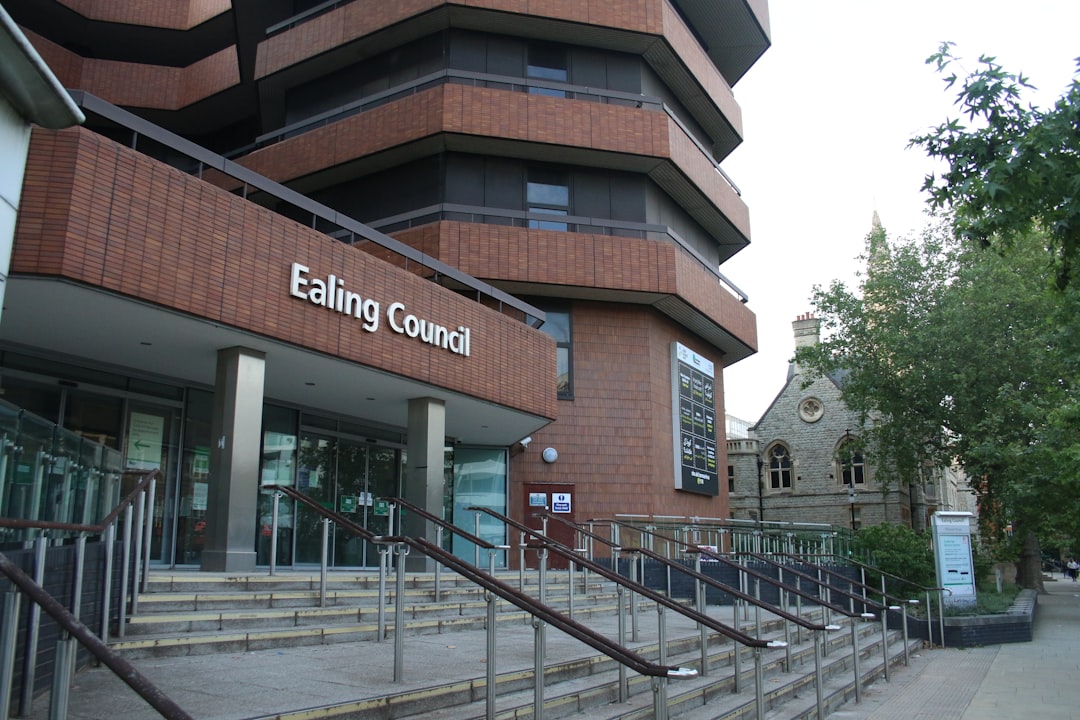
Your solicitor orders searches — local authority, water and drainage, environmental — to check for things a viewing would never reveal. A planned bypass through the back garden. A history of flooding. A missing planning permission on the loft conversion. Most searches come back quickly. The local authority search is the one that can hold everything up.
Some councils turn searches around in 48 hours. Others, short-staffed or backlogged, take over 25 working days — more than a month for a single document. This is the classic delay you cannot control and should not take personally. What you can do is make sure nothing else is waiting on you while the search sits in a council queue somewhere.
Do this
4. Weeks 3–7: The Mortgage Offer and Valuation

While searches run, your lender arranges its own valuation of the property. This is not a survey for your benefit — it confirms the house is worth what you are paying so the lender's money is safe. If the valuation comes in low, the lender may offer less than you expected, and you either renegotiate the price or find the shortfall yourself.
A clean valuation leads to a formal mortgage offer, usually within a week or two of your application if you gave the lender everything up front. Gaps in your paperwork are where this stage stalls. A missing payslip or an unexplained bank transfer can turn a two-day underwriting check into a fortnight of back-and-forth.
Do this
5. Weeks 4–8: Enquiries, Where Purchases Go to Wait

Once searches and the contract pack are in, your solicitor raises enquiries — questions for the seller's side about anything unclear. Where does the boundary actually run? Is there a guarantee for the damp treatment? Why is there a restriction on the title? This back-and-forth is normal, useful, and one of the slowest parts of the whole process.
The delay rarely comes from your solicitor. It comes from the seller taking their time to answer, or a chain where every enquiry has to ripple up and back down before anyone can move. A single vague reply triggers a follow-up, which triggers another wait. It feels maddening from the outside, but this is precisely the stage that stops people buying houses with expensive problems hidden in the paperwork.
Do this
6. The Chain Effect: Why Other People Set Your Pace

A chain is a line of linked transactions where each sale depends on the one next to it. If you are buying from someone who is buying from someone else, you all have to exchange and complete on the same day. The slowest party in the chain sets the speed for everyone, and there is often one solicitor, one nervous seller, or one delayed mortgage holding up five households.
This is why chain-free purchases are so much faster. No chain means no waiting for a stranger three links away to sort out their divorce or their probate. If you are buying an empty property, or from a first-time seller with nowhere to move to, you have quietly removed the single biggest source of delay from your own transaction.
Do this
7. Leasehold: The Slower Cousin of Freehold

If you are buying a flat, or occasionally a house, it may be leasehold — you own the property but not the land it sits on, and there is a freeholder or management company in the picture. Your solicitor has to request a management pack from them, covering ground rent, service charges, and any building works. That pack can take weeks to arrive and often costs a few hundred pounds.
Leasehold enquiries also tend to be thornier. Short lease terms, escalating ground rents, or unclear service charge accounts all generate more questions and more waiting. It is not a reason to avoid leasehold — most flats are — but it is a reason to add a few weeks to your mental timeline and not panic when the freeholder is slow to reply.
Do this
8. Exchange of Contracts: The Point of No Return

Exchange is the moment the purchase becomes legally binding. Your deposit — traditionally 10% of the price — is committed, a completion date is fixed, and neither side can walk away without serious cost. Before this can happen, your searches must be back, enquiries answered, mortgage offer in place, and everyone in the chain ready at once.
Exchange typically happens 8 to 12 weeks after your offer, though it depends entirely on how the earlier stages went. The gap between exchange and completion is usually short — commonly one to two weeks, sometimes the same day. This is the stage where the abstract finally becomes real, and the vague dread of the last two months turns into an actual date in the diary.
Do this
9. Completion Day: Keys, Money, and Movement

On completion day, your solicitor sends the balance of the purchase money to the seller's solicitor. Once it lands, the sale is done and the estate agent releases the keys — usually early afternoon, once the bank transfers have cleared. In a chain, everyone completes on the same day, which is why the money sometimes seems to hover in the system while transfers cascade up the line.
Delays on completion day itself are rare but not unheard of — a banking glitch, a chain party whose funds arrive late. They are usually resolved within hours. After weeks of waiting on councils and strangers, the day the keys land in your hand tends to arrive faster and quieter than you expect. Then it is just you, an empty house, and a great many boxes.
Do this
10. Post-Completion: The Bit Nobody Mentions

You have the keys, but your solicitor's job is not quite done. They pay any Stamp Duty owed to HMRC within 14 days and register your ownership with the Land Registry. Registration can take weeks or, in some cases, months, thanks to a persistent backlog — but this happens entirely behind the scenes and does not affect your right to live in your new home.
You will get a confirmation once you are formally registered as the owner. Until then, there is genuinely nothing for you to do except unpack and work out which box the kettle is in. The legal machinery finishing its paperwork in the background is one of the few parts of this process you can afford to completely ignore.
Do this
This guide is for general information only. It is not legal, financial, mortgage, insurance or removals advice. Always check important arrangements with the relevant professional or provider.