
The phone call is a strange anticlimax. The agent says the seller has accepted, you say something composed like 'great, thanks', and then you hang up and realise you have absolutely no idea what happens next. Nobody sends a manual. There is no confirmation email with a numbered list attached.
Here is the uncomfortable truth: in England and Wales, an accepted offer is not legally binding, and it stays that way until exchange of contracts — typically two to three months away, sometimes longer. The single best thing you can do to protect your purchase is to move quickly and visibly in the first seven days. This checklist tells you exactly what that looks like, day by day, job by job.
Quick answer: In the first 7 days after your offer is accepted, do four things: ask the estate agent to mark the property Sold STC and take it off the market, instruct a conveyancing solicitor and return their onboarding paperwork immediately, submit your full mortgage application to your lender or broker, and book a RICS Level 2 or Level 3 survey. Also gather your ID and proof of funds for anti-money laundering checks, as both the agent and your solicitor will ask for them. An accepted offer is not legally binding in England and Wales, so speed in week one reduces the risk of the sale falling through and cuts weeks off a process that typically takes 8–12 weeks or more.
1. Get the Property Taken Off the Market
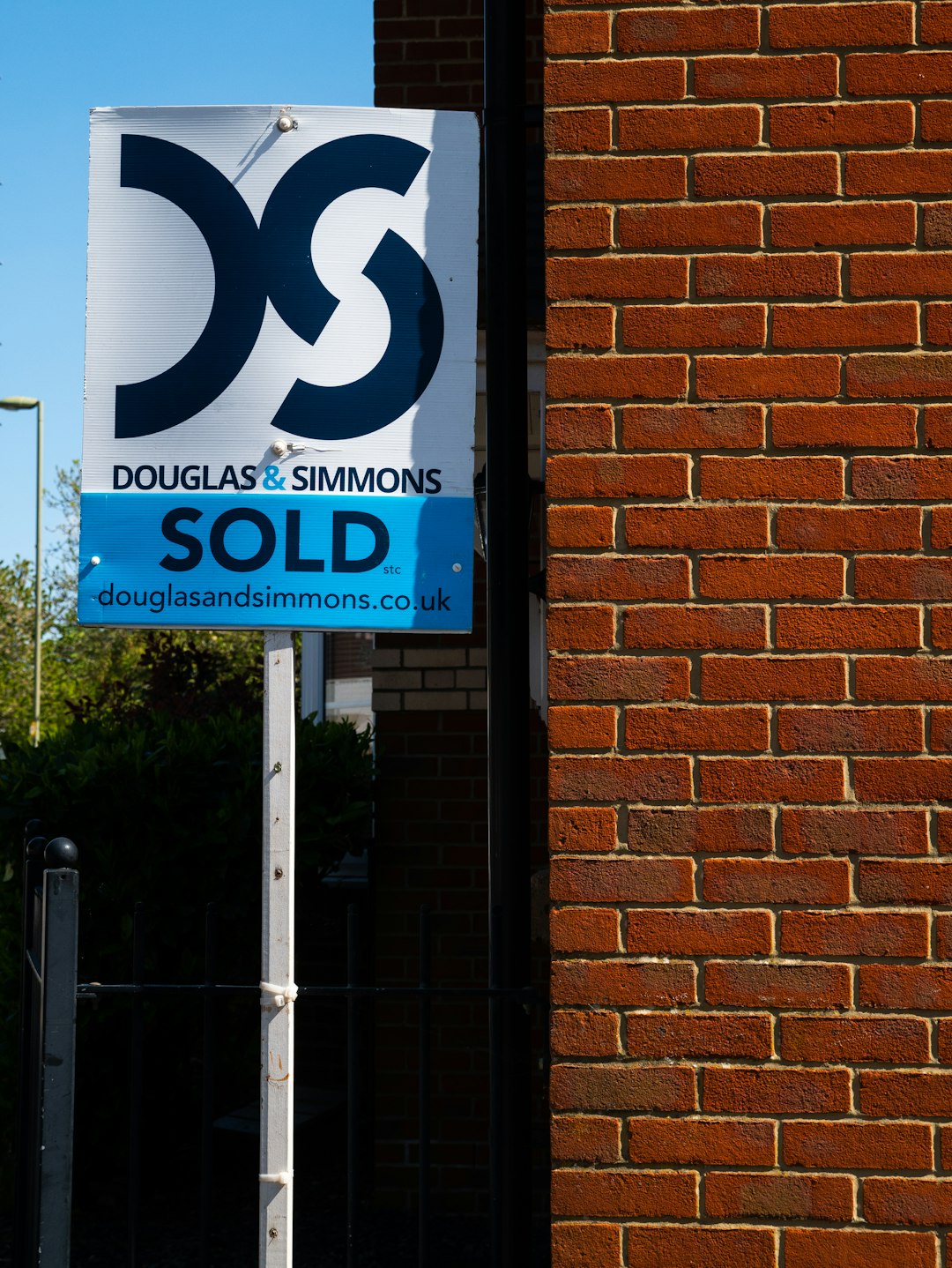
Your first phone call, ideally within the hour. Ask the agent to mark the property as Sold STC and remove it from active marketing on Rightmove and Zoopla. Sellers are not legally obliged to do this, but most will agree if asked directly, and it dramatically reduces your chances of being gazumped — the cheerful British tradition of a seller accepting a higher offer from someone else while you are mid-purchase.
If the listing is still live three days later, chase it. Politely, but chase it. A live listing is an open invitation to other buyers, and 'we forgot to update the portal' is a sentence that has ended more than one purchase. You made a fair offer and it was accepted. It is entirely reasonable to expect the shop window to close.
Do this
2. Instruct Your Conveyancing Solicitor — Today, Not Next Week

The agent will ask for your solicitor's details almost immediately, because they need them for the memorandum of sale. If you researched conveyancers before offering, instruct your chosen firm today. If you did not, you have roughly 48 hours to get quotes and decide. Expect to pay somewhere around £1,000–£1,400 in legal fees for a first-time buyer purchase, plus disbursements for searches and Land Registry fees.
Cheapest is not the goal here. A conveyancer who answers emails is worth a few hundred pounds more than one who does not, because the most common cause of a slow purchase is not the law — it is silence. Ask any firm you are considering two questions: how do you communicate, and how many cases does each fee earner handle? The answers tell you more than the quote does.
Do this
3. Check the Memorandum of Sale When It Arrives

Within a few days of acceptance, the estate agent will draw up a memorandum of sale — a short document confirming the agreed price, the property address, and the contact details of both sides' solicitors. It is not legally binding. It is, however, the starting gun: it goes to both solicitors and formally kicks off the conveyancing process.
Read it when it lands. Check the price is the price you agreed, your name is spelled correctly, and any extras you negotiated — the appliances staying, the shed, the vendor fixing that gate — are noted. Errors here are rarely sinister, but an unchecked mistake in week one has a way of resurfacing as an argument in week ten. Thirty seconds of reading now saves an awkward phone call later.
Do this
4. Submit Your Full Mortgage Application

Your agreement in principle got you this far, but it is not a mortgage. Now you convert it into a full application, naming the specific property and the agreed price. Lenders typically take two to four weeks to issue a formal mortgage offer, and they will not start counting until your application is complete — so an application submitted on day three beats one submitted in week three by exactly the same margin.
Speak to your broker or lender within a day or two of acceptance. Have your payslips, bank statements and proof of deposit ready, because incomplete applications go to the back of the queue. Rates can also be secured at this point, which matters more than it sounds — the product you were quoted last month may not exist next month. Money likes decisiveness.
Do this
5. Book Your Survey

The lender's valuation is not a survey. It exists to reassure the bank the property is worth lending against, and some are done without anyone setting foot in the building. If you want to know what you are actually buying — the damp behind the wardrobe, the roof that has ten years left, the extension that was built with more optimism than paperwork — you need your own survey, and surveyors get booked up fast.
For most conventional homes in reasonable condition, a RICS Level 2 Home Survey does the job, typically costing £450–£700. For older properties, anything visibly quirky, or homes that have been extended or altered, pay for a Level 3 — usually £700–£1,200. It feels like a lot of money in a week full of spending. It is considerably less than a re-roof you did not see coming.
Do this
6. Get Your ID and Proof of Funds Ready

This is the least glamorous job of the week and the one most likely to cause delay if you skip it. The estate agent, your solicitor and your lender are all legally required to run anti-money laundering checks. That means certified ID, proof of address, and — the part that catches people out — proof of where your deposit came from. Savings need statements showing the balance building up. A gift from family needs a signed gifted deposit letter, and the giver will need to provide their own ID too.
If any of your deposit arrived recently from an unusual source — a bonus, an inheritance, crypto you finally sold — gather the paper trail now, not when the solicitor asks in week six. None of this is an accusation. It is a legal requirement applied to everyone, and the buyers who treat it as admin rather than an insult get through it in days instead of weeks.
Do this
7. Recheck Your Numbers Now the Price Is Real

Before the offer, your budget was theoretical. Now it has an actual price attached, plus a queue of real invoices: solicitor's payment on account, search fees, the survey, and eventually stamp duty if it applies to you. Sit down this week and run the full cash-flow — not just 'can I afford the house' but 'can I afford weeks four through twelve', when several bills land before you own anything.
Check the stamp duty position for your exact price using the current HMRC calculator rather than a figure you half-remember from last year, because thresholds move and first-time buyer relief has limits. Then leave a buffer. Somewhere between now and moving day there will be a cost you did not predict — there always is — and a few hundred pounds of slack turns it from a crisis into a line item.
Do this
8. Agree a Rough Timeline With the Seller

You cannot fix a completion date in week one, but you can find out what both sides are hoping for, and that conversation is worth its weight. Ask the agent: is the seller in a chain? Have they found somewhere to buy? Are they hoping to move before a school term, a job start, a baby? A purchase where both sides know the target moves faster than one where everyone privately assumes a different month.
The average purchase takes 8–12 weeks from acceptance to completion, and plenty run longer once chains, leaseholds or slow searches get involved. Knowing this now recalibrates your expectations and everyone else's. If your rental contract, mortgage rate lock or life plans depend on a date, say so this week — a target named early becomes a plan; a target named late becomes a disappointment.
Do this
9. Do Not Hand In Your Notice Yet

If you rent, the temptation is to give notice immediately and save a month's rent. Resist it. Nothing is binding until exchange of contracts, and roughly a quarter of agreed sales fall through before then. Give notice in week one and you are gambling your housing on a transaction that does not legally exist yet — and if it collapses in week nine, you are searching for a new rental with your deposit tied up in solicitor's fees.
The right moment to give notice is at or after exchange, when the completion date is fixed and legally enforceable. Yes, that may mean an overlap where you pay rent and mortgage for a few weeks. Think of the overlap as insurance you can move at your own pace, not money wasted. A calm, slightly expensive move beats a cheap, frantic one every time.
Do this
10. Set Up Your Purchase Command Centre

Over the next two to three months you will deal with an agent, a solicitor, a lender or broker, a surveyor and possibly an insurer — five parties, dozens of emails, and at least one document someone swears they sent and did not. The buyers who stay sane build a simple system in week one: a single email folder, a cloud folder for documents, and a note of every phone call with the date and what was agreed.
This is not bureaucratic fussiness. When the solicitor says they are waiting on the lender and the lender says they are waiting on the solicitor — and at some point they will — your record of who said what and when is how you unstick it. You are the only person in this transaction whose full-time interest is you. Act like the project manager, because nobody else is applying for the job.
Do this
This guide is for general information only. It is not legal, financial, mortgage, insurance or removals advice. Always check important arrangements with the relevant professional or provider.