
Manchester flats look straightforward from the listing photos. Exposed brick in Ancoats, a balcony over the water at Salford Quays, a view of the city from the fourteenth floor. The average city centre flat sold for around £240,000 last year, which buys considerably more here than it does anywhere south of Birmingham — and that is precisely why so many people move fast and check little.
But a flat is not a house. You are buying a lease, a share of a building's problems, and a relationship with a management company you have never met. This guide covers the 11 checks that matter — the ones that decide whether your flat is easy to live in, easy to mortgage, and easy to sell when the time comes.
Quick answer: Before buying a flat in Manchester, check the remaining lease length (aim for over 90 years), the ground rent terms (avoid doubling clauses), and three years of service charge accounts — Manchester city centre charges range from under £2,500 to well over £4,000 a year. Ask about the building's cladding status and whether an EWS1 form exists, because this affects your mortgage. Review the sinking fund balance, any planned major works under Section 20, lease restrictions on pets and subletting, and the block's owner-to-renter ratio. Finally, compare sold prices per square foot in that specific building, not just the postcode.
1. The Lease Length

You are not buying a flat. You are buying the right to live in one for a fixed number of years, and that number matters more than the kitchen. Once a lease drops below about 80 years, extending it gets significantly more expensive, and many lenders want 70 to 85 years remaining at the point of application. A 78-year lease can quietly knock thousands off a flat's value and shrink your pool of future buyers to cash-only bargain hunters.
Plenty of Manchester's converted mills and 2000s-era blocks were sold on 125-year leases, which means some are now drifting toward the danger zone. The number is on the listing, or should be. If it is not, that silence is telling you something.
Do this
2. The Ground Rent Clause

Ground rent sounds harmless — a few hundred pounds a year to the freeholder for nothing in particular. The problem is the review clause. Some leases, including a number sold on Manchester developments in the 2000s and 2010s, contain doubling clauses: £250 becomes £500, becomes £1,000, becomes £2,000. Run that forward fifty years and the numbers stop being funny. Lenders know this. Some, like The Mortgage Works, will reject applications outright where ground rent doubles more often than every 20 years.
New leases granted since June 2022 are limited to a peppercorn — effectively zero — but that does nothing for the existing lease you are about to buy. The clause is in the lease, the lease is a public document, and ten minutes of reading now saves a decade of resentment.
Do this
3. The Service Charge — and Its Direction of Travel

This is where Manchester flats earn their reputation. A low-rise conversion in Chorlton might charge £1,500 a year. A city centre tower with a concierge, a gym and a lift that breaks in interesting ways can charge £4,000 or more — and buyers on local forums regularly report charges climbing year on year with little explanation. The figure on the listing is this year's figure. What you need is the trend.
The current owner's solicitor will provide three years of service charge accounts as part of the leasehold management pack. Read them like a bank statement, because that is what they are: a preview of your own outgoings. A charge that has risen 40% in three years will not politely stop rising because you have arrived.
Do this
4. The Sinking Fund and Any Planned Major Works

Every building eventually needs a new roof, new lifts, or external redecoration. The question is who has been saving for it. A healthy reserve fund — sometimes called a sinking fund — means the building has been putting money aside. An empty one means the next big bill lands directly on the leaseholders, and you could be one of them within months of moving in.
The leasehold management pack (the LPE1 form) discloses the reserve fund balance and any open Section 20 consultations — the formal notice a freeholder must serve before major works. An open Section 20 is not automatically a dealbreaker, but it is a number, and numbers belong in your negotiation, not in your first year's surprises.
Do this
5. Cladding, the EWS1 Form and the Building Safety Act
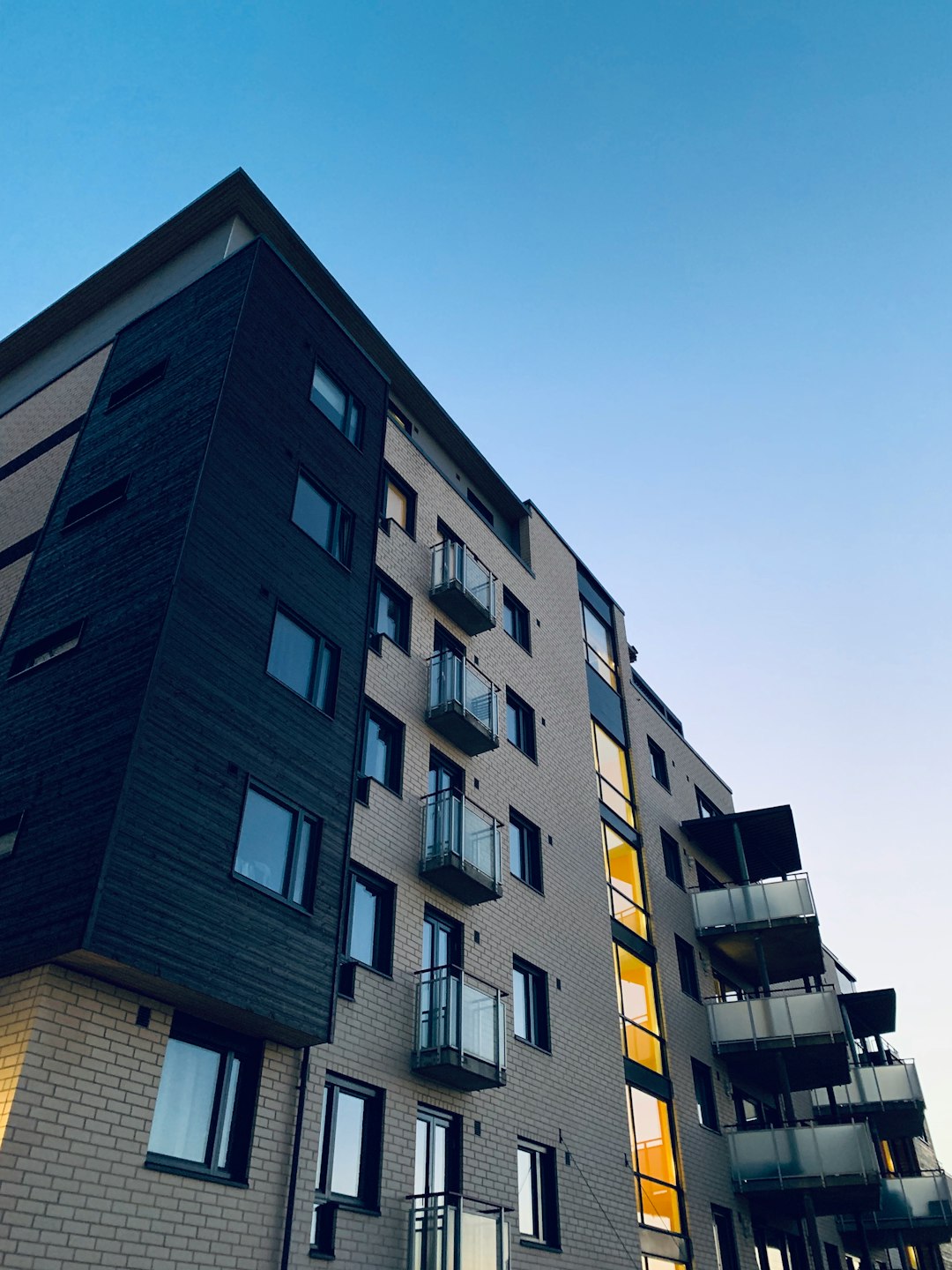
If you are buying in a Manchester block over 11 metres — and much of the city centre is — this check comes before all the others. After Grenfell, buildings with certain external wall systems became difficult or impossible to mortgage, and Manchester was one of the worst-affected cities in the country. Some blocks have been fully remediated. Others are mid-works, with scaffolding and uncertainty. A few are still waiting.
The Building Safety Act 2022 protects most qualifying leaseholders from the worst remediation costs, and lenders will now generally lend where the paperwork is in order — an EWS1 form with a passing rating, or evidence the building is in a government remediation scheme. But the paperwork has to exist. A flat in an unassessed building can be unsellable at any price, which is a sentence worth reading twice.
Do this
6. Who Actually Runs the Building

Somewhere behind every flat is a freeholder and, usually, a managing agent. These people set your service charge, decide when the leaking roof gets fixed, and answer — or do not answer — your emails. A well-run building with a responsive agent is a different product from an identical flat run by an absentee freeholder and an agent with a call centre in another city. Same bricks, very different life.
Some Manchester blocks have exercised the Right to Manage or hold a share of the freehold, which gives residents genuine control over costs. Others are locked into management arrangements chosen by a developer years ago. Twenty minutes on Google, and one honest conversation with a current resident in the lift, will tell you more than any brochure.
Do this
7. The Restrictions Hiding in the Lease

Leases are full of rules that nobody mentions at the viewing. No pets. No wooden flooring. No hanging washing on the balcony. No short-term lets — or, more worryingly for your future neighbours' sake, no restriction on short-term lets at all, which is how a quiet block becomes a weekend party venue. If you are planning to let the flat out later, check the subletting clause too; some leases require freeholder consent, sometimes with a fee attached.
None of these clauses is unusual, and most are liveable. The point is to find out before you have fallen in love with the flat and adopted the dog. The lease will not adjust itself to your plans, so make sure your plans fit the lease.
Do this
8. New Build Premium vs Older Stock

New build flats in Manchester come with warranties, working lifts and no imminent major works, which is genuinely valuable. They also come with a premium, and in some central postcodes that premium has unwound: resale values per square foot in parts of M1 and M15 have fallen over five years as the off-plan gloss wore off. The person who bought at launch sometimes sells at a loss to the person buying second-hand. Be the second person, not the first.
Older conversions and low-rise blocks tend to have lower service charges and steadier values, at the cost of more character-related maintenance. Neither choice is wrong. What is wrong is paying a new-build price without checking what identical flats in the same building resold for last year.
Do this
9. Who Else Lives in the Block

Manchester city centre has one of the highest concentrations of buy-to-let stock in the country, and the ratio of owners to renters in a block shapes everything from noise levels to how seriously the management company gets held to account. A block that is 90% rented tends to have a churning population and landlords voting to keep the service charge — and the maintenance — to a minimum. A block with a solid core of owner-occupiers usually looks after itself better.
There is no judgement here about renters, who are often the best neighbours you will ever have. It is about who holds the freeholder accountable. Owners who live in the building notice the broken door entry system. Landlords in Surrey do not.
Do this
10. The Area — Beyond the Marketing Names

Ancoats, the Northern Quarter, Castlefield, New Islington, Salford Quays — Manchester's neighbourhoods each have a distinct character, and estate agents have a distinct habit of stretching their boundaries. A flat 'in Ancoats' can turn out to be a fifteen-minute walk from the bit of Ancoats you were picturing. The Northern Quarter is lively, which means brilliant on a Saturday afternoon and less brilliant below your bedroom window at 3am.
Regeneration is real here — New Islington and NOMA have transformed in a decade — but so is construction. That empty plot next to your balcony has planning history you can look up in an evening. The view you are paying for might have a 20-storey future.
Do this
11. Whether Your Lender Will Actually Lend

Every check so far rolls up into one practical question: will a mainstream lender give a mortgage on this flat, at this price, to you and to whoever buys it from you? Lenders have views on lease length, ground rent, cladding, deck access, flats above commercial premises, and blocks with high investor ratios. A flat that fails on two or three of these can still be bought — but only by cash buyers, which is why it is cheap, and why it will still be cheap when you sell.
A good mortgage broker who knows the Manchester market will spot most of these issues from the listing. Use one. The £500 fee is the cheapest survey you will ever commission.
Do this
12. The Exit — Check the Resale Story Before You Buy

The final check is the one almost nobody does: how easily does this exact building sell? Land Registry data will show you every sale in the block, what each flat achieved, and — read alongside old listings — how long they sat on the market. A building where flats routinely sell within weeks at rising prices is telling you it has passed everyone else's version of this checklist. A building full of reduced listings and withdrawn sales is telling you something too.
First-time buyers are often told to buy with their heart because it is a home, not an investment. It is both. The flat you can sell easily in five years is also, not coincidentally, the flat that is well-run, safely clad, fairly charged and pleasant to live in. The exit check is really all eleven checks, taken by people who came before you.
Do this
This guide is for general information only. It is not legal, financial, mortgage, insurance or removals advice. Always check important arrangements with the relevant professional or provider.